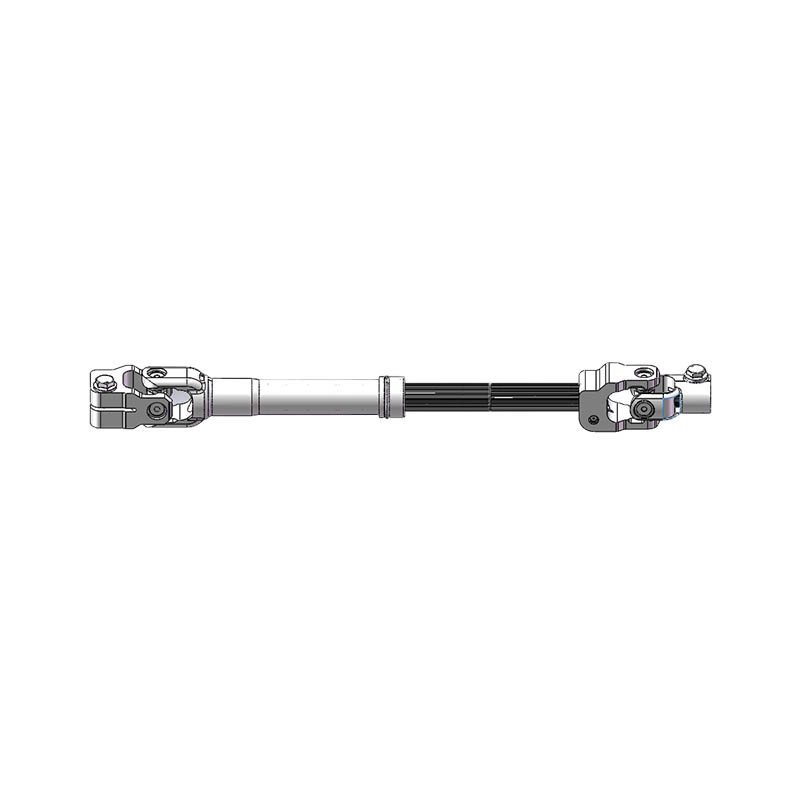

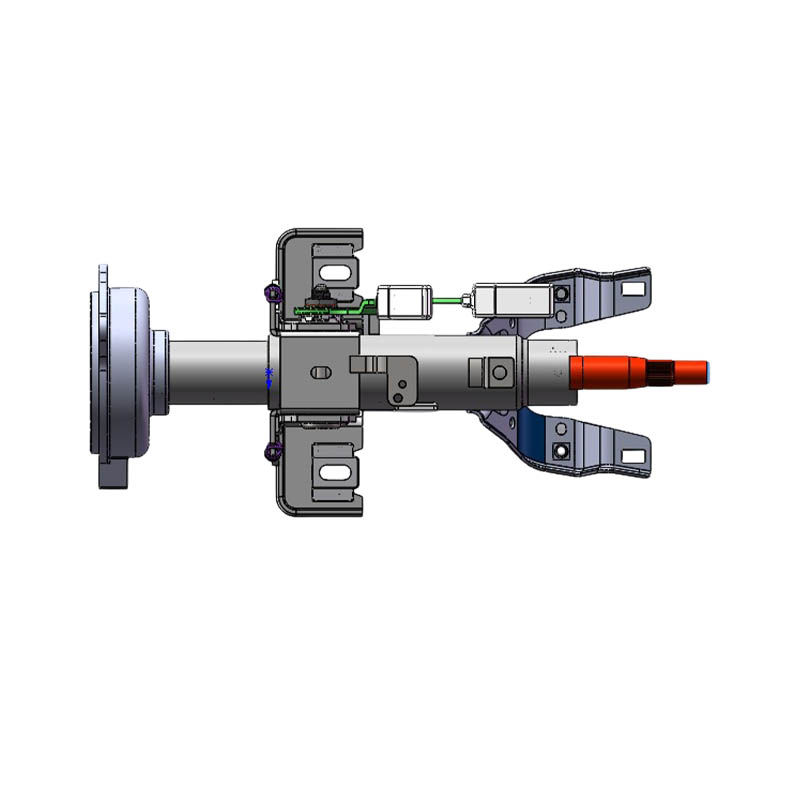
With the deepening of automotive lightweighting strategies, traditional steel intermediate shafts are gradually being replaced by aluminum alloy intermediate shafts due to their heavy weight, high moment of inertia, and susceptibility to corrosion.
Especially with the widespread adoption of electric power steering systems today, the steering column assembly not only performs the traditional torque transmission function but has also become a key "data hub" for the vehicle to perceive and respond to d
Residual stress management during heat treatment also has a significant impact on the strength of the steering column assembly.
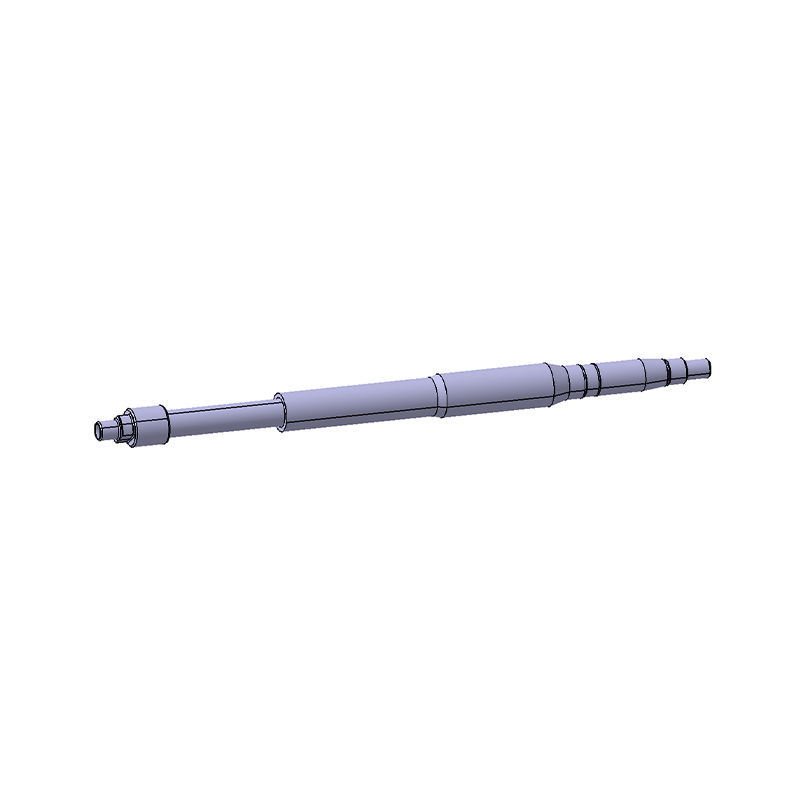
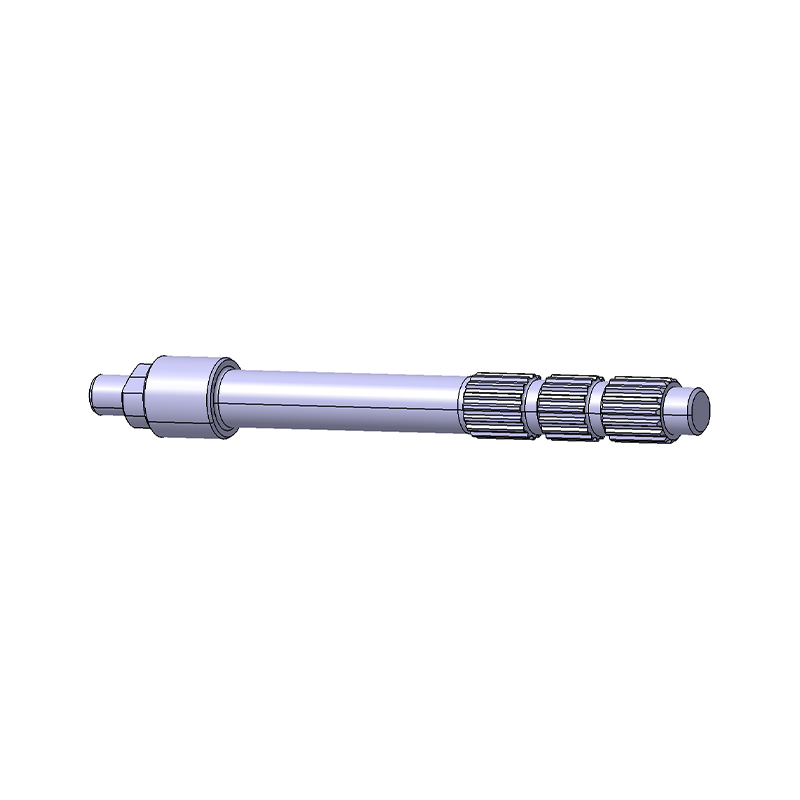
As a key transmission component connecting the steering wheel and steering gear, the steel intermediate shaft assembly not only transmits torque during daily driving but also plays a crucial role in energy absorption during a collision.
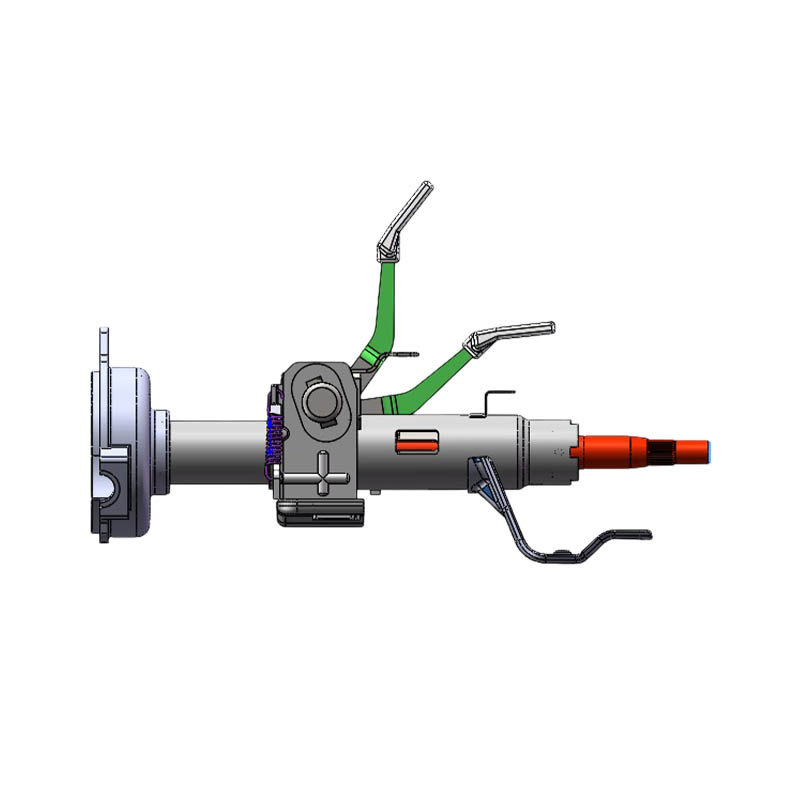
In modern automotive safety systems, the steering column assembly is not only a core transmission component connecting the steering wheel and steering gear, but also plays a crucial role in passive safety during a head-on collision.
As a key component in the transmission system, aluminum alloy intermediate shafts, with their superior material properties and structural design, are playing an increasingly important role in improving high-speed driving smoothness.